
Digital Scribblers works with many aspiring authors who want to document their personal history or reminiscences into a professional book but feel unsure about the right way to do it. Many clients struggle to decide what type of memoir they are writing, how much personal detail to include, what to conceal, and how to organize their chapters and reflections in a clear order.
We use literary tools such as theme, voice, and point of view to give each project structure and direction. This blog explains the main types of memoir every aspiring author should know, so each manuscript can develop in a suitable storyline with editorial guidance.
A memoir is a true story an author tells about important moments of his life. The storyline follows a narrative arc with a beginning, middle, and end. A memoir uses a first-person point of view with “I” and a voice that sounds natural and honest. The author appears as a main character, along with other important people, and creates scenes with action and dialogue so the reader can picture each moment. The author also adds reflection to show what these events mean and how they lead to growth or change. A memoir stays focused on a focal theme, such as loss, healing, or identity. It uses motifs like images or ideas to connect different parts of the story. All of this fits into a structure that guides the reader through memory, insight, and emotion.
It’s important to understand the types and genres of a memoir. The correct use of the memoir genre and the accurate types for the story will help you to easily engage your readers.
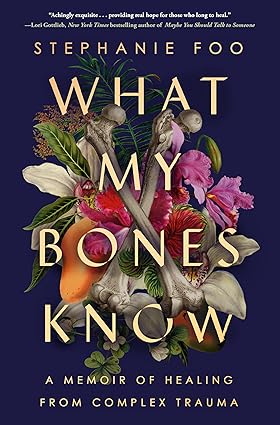
A healing memoir shows how a writer passes through grief, trauma, or emotional pain toward some form of recovery. It uses honest reflection to trace the inner journey, not just the apparent events. Digital Scribblers helps authors choose specific experiences, like the end of a marriage, times of despair, therapy sessions, or simple daily practices to develop their storyline. We then guide them in using these experiences to portray how they slowly rebuild trust, identity, and hope.
Example:
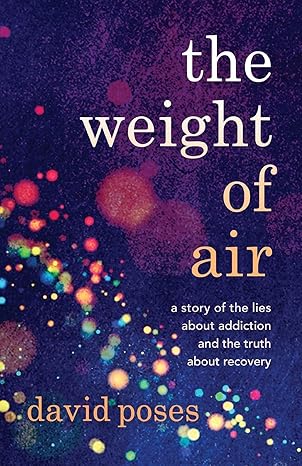
An addiction journey memoir shows how the character passes through dependence, denial, and crisis toward recovery and greater stability. It focuses on the thoughts, emotions, and choices behind addiction. Digital Scribblers works with authors to identify important events like first use, relapses, breaking points, treatment, support groups, and early sober days. We then compile them in a manuscript so readers can see how they gradually rebuild health, relationships, and self-control.
Example:
A trauma and survival memoir shows how an author deals with shock, harm, and emotional fallout toward greater safety, integration, and strength. It focuses on the inner world behind the events, including fear, shame, grief, and the slow return of trust and agency. Digital Scribblers helps writers to identify moments like early warning signs, moments of abuse or danger, coping patterns, breaking points, seeking help, therapy, and rebuilding everyday life. We then guide them to portray it all in a narrative so readers can learn how they gradually reclaim voice, boundaries and relationships.
Example:
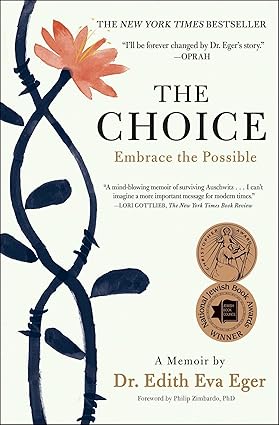
The Choice: Embrace the Possible by Dr. Edith Eva Eger (Author)
A graphic memoir uses both words and images to tell a true life story through illustrations. It focuses on how dialogue, pacing and visual symbols can show the narrator’s inner and outer journey at the same time. Digital Scribblers works with such authors to select vivid life moments, break them into scene outlines, and make a script for an artist to draw. Then, we arrange these sequences so readers can easily follow the storyline.
Example:
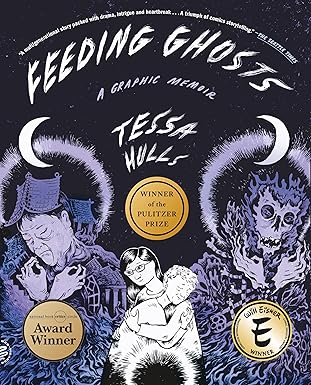
Feeding Ghosts: A Graphic Memoir by Tessa Hulls (Author)
A travel memoir follows journeys through places and cultures and shows how those journeys change the traveler from within. The focus stays on vivid memories, local people and small moments on the road that reveal curiosity, fear, joy, or new insight. Digital Scribblers helps travel writers choose their most meaningful trips, choose scenes like first impressions, culture shocks, quiet discoveries, and turning points, then arrange them into a storyline so readers can experience the essence of the travel journey as the author does.
Example:

A portrait memoir focuses on one significant figure whose influence has evolved your life. The focus is on an influential person such as a parent, grandparent, teacher, pastor, or mentor. Moreover, the emphasis is on scenes that reveal who they are and what they meant to you. Digital Scribblers draws out the moments of early memories, lessons, conflicts, and farewells, then makes a narrative out of them so the readers can feel this person’s influence in the writer’s life and reflect on similar bonds in their own.
Example:
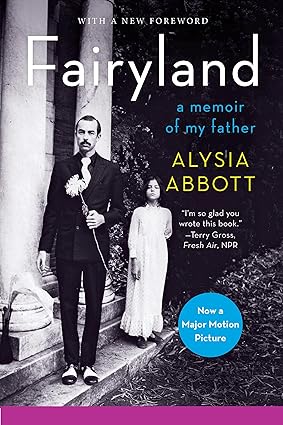
Fairyland: A Memoir of My Father by Alysia Abbott (Author)
Confessional memoirs tell a life story with direct, often vulnerable honesty, without hiding mistakes, shame, or painful secrets. The focus is on authenticity and inner truth, even when the narrator’s choices are flawed or uncomfortable to admit. We help authors decide what to reveal, how to protect their own and others’ privacy, and how to document confessions into a coherent narrative. We support them in balancing raw honesty with reflection so readers feel they are encountering a real human being rather than a fictitious character.
Example:
Confessions: A Memoir by Jodie Rhodes (Author)
A political memoir is a narrative related to government, activism, or public leadership and shows how the writer’s choices and beliefs were tested over time. It blends personal experience with historical context, policy debates, and commentary on events the public may know only from the news. We work with decisive moments of campaigns, negotiations, crises, policies and encounters with allies. Our ghostwriters then link public decisions with private motives so readers can see how power, principle, compromise, and consequence play out in real world politics.
Example:
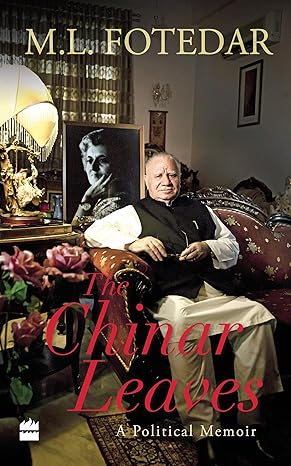
The Chinar Leaves: A Political Memoir by M.L. Fotedar (Author)
A family memoir is about the relationships, traditions, and legacies within a family. It often compiles stories from different generations, gatherings, conflicts, migrations, and quiet everyday moments that show how a family really lives. Digital Scribblers works with the author’s most meaningful family stories, organizes them, and reflects on what these events reveal about love, loyalty, loss, and inheritance in a manuscript.
Example:
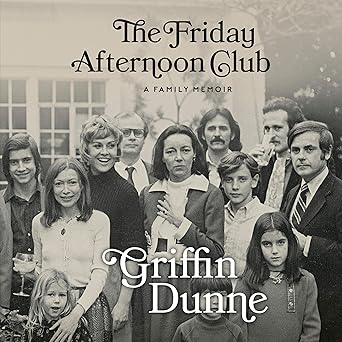
The Friday Afternoon Club: A Family Memoir by Griffin Dunne (Narrator, Author)
Professional memoirs focus on work life. They show how you built your career through challenges, choices, and achievements. They highlight important projects, failures, turning points, and lessons that can guide readers in the same field. We help authors to jot down their defining career moments, write them in a manuscript and draw out practical insights so the book reads as both an inspiring life story and a source of mentorship for others in the profession.
Example:

This Is Going to Hurt: Secret Diaries of a Young Doctor by Adam Kay (Narrator, Author)
A spiritual quest memoir is a person’s search for meaning, faith, and inner change. It reflects on questions, doubts, practices, and awakening moments that reshape how they see God, the soul, or the universe. Digital Scribblers brings out the author’s early beliefs, crises of faith, mentors, sacred places, and turning points. Then, our ghostwriters make a storyline in a way that readers can follow the journey from confusion to deeper insight, while honoring the writer’s spiritual voice.
Example:

The Fire in My Feet: A Spiritual Memoir by Eva Andrea (Author)
Event memoirs focus on one significant event like a natural disaster, a serious accident, a major loss, or a critical challenge that changed everything. The story revolves around the same incident or event, portraying what life was like before, during, and after it. We identify the most important scenes, organize them according to the timeline, and write about how the event tested and transformed the characters.
Example:
Wave: A Memoir by Sonali Deraniyagala (Author)
Childhood memoirs focus on early life, drawing on vivid memories, turning points, and lessons learned during the formative years. The tone often carries warmth and nostalgia as the writer revisits family, school, friendships, and first encounters with joy, fear, or change. Digital Scribblers helps authors choose the most meaningful childhood scenes, shape them into a clear narrative, and highlight how those early experiences quietly shaped their character, choices, and adult life.
Example:

Personal memoirs focus on the most important moments, difficulties, and events that influenced an author’s life, without aiming to cover the whole of it from childhood to adulthood. The author chooses significant events, large or small, that show their identity and what they have learned in the process. It is an open, thoughtful, and honest tone that allows readers to relate to the author’s feelings and her character’s development. Digital Scribblers helps writers with the right selection of life stories, create a flowing timeline, and craft an appealing story that makes the memoir more authentic and easier to read.
Example:

Digital Scribblers supports authors with four main memoir formats. A chronological memoir presents events in time order and suits life stories told across many years. A thematic memoir organizes the narrative around one central idea such as healing or identity or growth. A hybrid memoir links selected life episodes to an overall theme while still following a loose timeline. Lastly, a novel like memoir uses techniques from fiction such as scenes and tension and character development yet remains grounded in real experience.
Common memoir themes are family and work and travel and major life transitions and overcoming adversity. We work with authors on the theme of their choice. Then, we help them put their episodes of life in an interesting and inspiring book
There are multiple factors involved in deciding the type of memoir an author needs to write. Each project depends on the core idea and the way the story is presented. Hence, Digital Scribblers provides a ghostwriter questionnaire with important questions like: What is the central concept of the story? Does the writer wish to focus on inner growth or on the outside world? Is a thematic structure better than a strict timeline for this material? Who is the intended reader? And, a few more.
Digital Scribblers offers professional memoir writing services that structure a life story into an engaging book. Our team writes and structures the manuscript and protects the author’s voice at every stage. Our editors provide expert advice on drafting and revising the full manuscript where needed.
This support strengthens the chance of successful publication and builds confidence in sharing the story in print and online.
Digital Scribblers sees every memoir as an important life record and a clear story. Therefore, we know the significance of choosing the right type of memoir. Moreover, we carefully work on the theme structure and voice that turns scattered memories into a readable professional book.
In the end, every life holds a story worth telling. You can bring your story to the page with our steady guidance.
Most memoirs run between 30,000 and 80,000 words.
Yes, Memoirs focused on just one particular event to highlight its impact.
Yes, you can write a memoir about your childhood by including your childhood memories and experiences that have impacted your life.
Yes, you learn structure and style by researching examples that suit your story.
You can start by jotting down the most significant events in your life and then arranging them in an outline, and then start writing chapter by chapter.
Yes, family memoirs are devoted to the relations, traditions, and legacies.
Yes, first-person narration brings reality and a sense of closeness in memoir writing.
Turn your manuscript into a professionally published book with Digital Scribblers. Contact us today and take the first step toward becoming a published author!
Sign up now to avail amazing discounts