
Pricing the audiobooks can feel risky without a clear plan. When time and money are at stake, many authors scruple because one wrong price can slowly limit the sales. Also, some platforms do not give you full control over the final retail price.
Audiobook pricing gets easier when you treat it like a business decision, not a guess. Look for similar titles, understand platform rules, price based on length and listener expectations, then adjust only after reviewing sales data.
Audiobook listeners compare prices across Audible, Apple Books, and Google Play. The Audio Publishers Association reported that in 2024, a U.S. survey found that audiobook revenue crossed over $2.22 billion dollars.
Pricing directly affects whether listeners click buy or scroll away, because value perception matters more than the author’s effort.
Audiobook pricing, however, becomes a business decision tied down to listener behavior, platform rules, and long-term income goals. Having clear frameworks and guidance brings clarity and confidence to these decisions while reducing costly mistakes before publishing.
Pricing audiobooks is a nerve-wracking task. Below are the main reasons audiobook pricing feels stressful for many authors:
There are some audiobook platforms like Kobo Writing Life and Apple Books for Authors where authors cannot set the final retail price. You may be able to enter a list of prices or choose distribution options, but the retailer can still decide what listeners pay.
This matters because your sales and earnings can change based on the price you did not choose.
To ease such problems, you can focus on platforms that offer more price control when possible, such as Kobo Writing Life, Apple Books for Authors, and Spotify for Authors, and plan your revenue expectations assuming some price fluctuation. Tracking performance across multiple platforms, including Google Play and Audible, also helps reduce dependence on any single store’s pricing rules.
On some platforms, the list price functions as a suggested price rather than a fixed one. On stores like Google Play and, in some cases, Audible, retailers may adjust pricing through discounts, promotions, or regional rules, so customers can see a different amount than expected. These changes can influence both conversions and revenue goals.
Viewing the list price as a reference point instead of a guarantee helps set realistic expectations. Paying attention to how pricing behaves across platforms like Apple Books for Authors and Google Play over time makes it easier to respond calmly if results begin to shift.
Retailers may run discounts or limited-time promotions without the author initiating them. While this can increase visibility, it can also lower the amount earned per sale and affect perceived value if discounts happen too often.
Keeping expectations grounded and observing how discounts affect performance over time can help reduce surprises. A balanced presence across platforms often makes revenue more stable, even when promotions take place.
Pricing is tricky, especially for first-time authors, because almost every platform handles it differently, and you may not control the final retail price. The good thing is that once you understand the rules, you can choose the right platforms, set a price using simple comparisons, and adjust based on real sales data.
Some platforms let authors set a price or at least a list price or SRP, such as Kobo Writing Life, Apple Books for Authors, and Spotify for Authors, which gives more control over earnings. Others, including Google Play and Audible, may set or discount the final price, allowing it to change without the author taking action.
Here are the names of the platforms that give authors more price control:
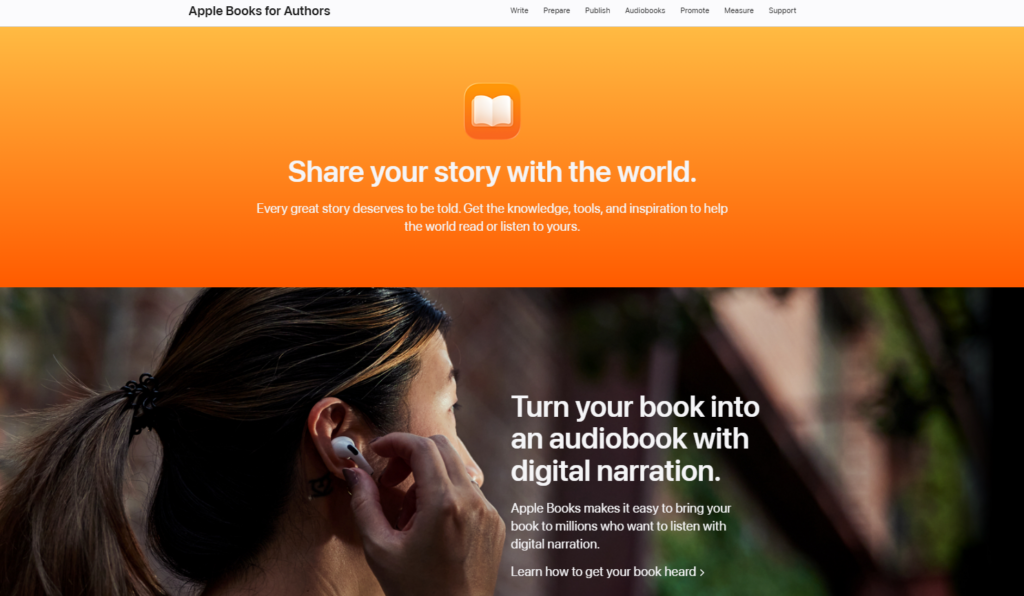
Apple Books allows authors to set a list price, giving them a higher level of control over how their audiobook is positioned in the market. Unlike some platforms where pricing can shift frequently, Apple’s pricing structure is generally more predictable.
While Apple may run occasional promotions, these do not typically disrupt long-term pricing stability. This means authors are less likely to see sudden or unexplained price changes that affect earnings.
Because of this consistency, Apple Books works well for authors who want to maintain a professional price point. Audiobooks that are priced fairly and clearly often perform better here than those relying on frequent discounts.
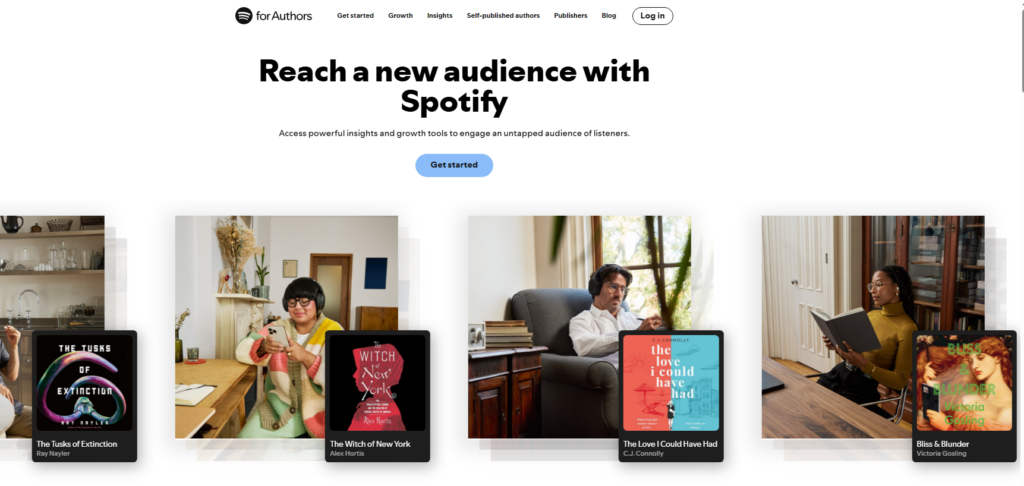
Spotify is one of the most recognized digital platforms globally, with 600+ million monthly active users in 2025. Although music remains its primary focus, audiobook adoption is growing rapidly due to Spotify’s push into spoken-word content.
Spotify allows authors to set pricing or distribution terms, depending on region and delivery method. Pricing flexibility is higher than Audible, and authors benefit from Spotify’s massive built-in awareness. Even listeners who are not actively searching for audiobooks may encounter them through recommendations or platform promotion.
The key pricing advantage on Spotify lies in discovery rather than immediate sales volume. Audiobooks priced competitively can attract first-time listeners who are experimenting with the format. Authors should treat Spotify pricing as a balance between accessibility and long-term audience building rather than aggressive revenue extraction.
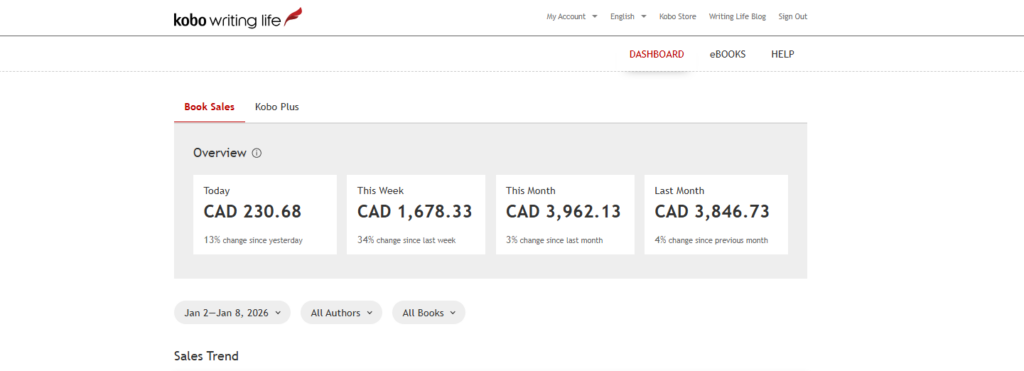
Kobo has a strong presence in Canada, Europe, and parts of Asia, with millions of active users who already engage with ebooks and audiobooks. Kobo’s audience is highly relevant because users come to the platform specifically for reading and listening content, not as a secondary feature.
Kobo Writing Life allows authors to set their own prices, offering solid pricing control and fewer unexpected retail adjustments. This stability makes Kobo ideal for authors who want to test pricing strategies without interference.
Platform awareness may be lower than Audible in the U.S., but Kobo listeners are typically price-aware and comparison-driven. This means aligning your audiobook price with similar titles is especially important. Kobo works best for authors focused on international expansion and steady, predictable sales rather than viral spikes.

Findaway Voices acts as a distribution hub, rather than a consumer-facing storefront. It distributes audiobooks to multiple retailers, subscription services, and library platforms worldwide, collectively reaching tens of millions of listeners.
Authors using Findaway can usually set a list price, depending on the retailer. The main advantage here is pricing flexibility across multiple channels, allowing authors to experiment with different markets without being locked into one ecosystem.
Because Findaway distributes to both retail stores and library systems, authors should think about pricing in two ways. For retail platforms, set a price that matches similar audiobooks in your genre and length so it feels familiar to buyers. For libraries, focus less on the individual price and more on steady exposure, since library listens can generate cumulative earnings over time. This approach works well for authors who want wide reach while keeping pricing practical and sustainable
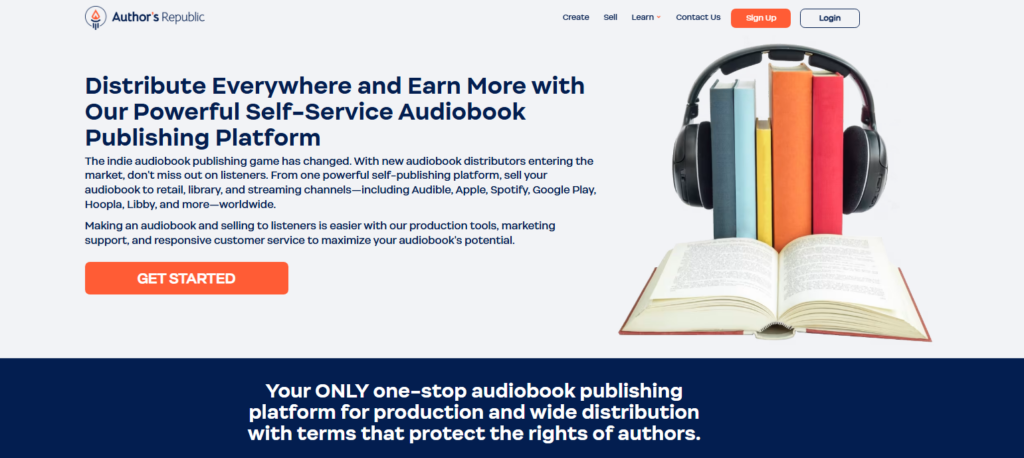
Author’s Republic is another aggregator that distributes audiobooks to global retailers and library networks. While its consumer awareness is lower than Audible or Spotify, its strength lies in its behind-the-scenes reach.
Authors can typically set pricing or list prices depending on the retailer, offering reasonable control. Earnings may grow more gradually, but pricing remains more predictable than platforms that aggressively discount.
Author’s Republic works well for authors who view audiobooks as long-term intellectual property assets rather than quick-launch products. Pricing should be conservative, competitive, and designed to perform steadily across many smaller sales channels.
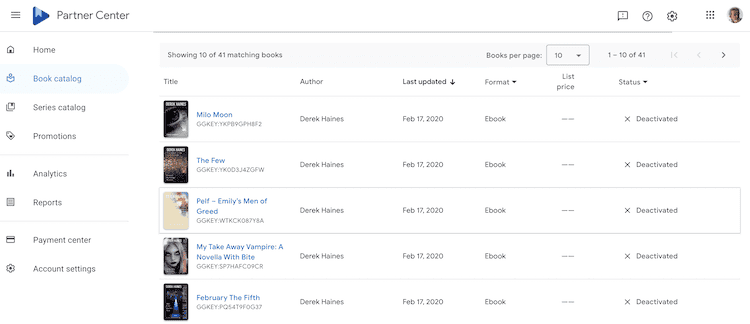
Google Play serves an enormous global audience through Android devices, which represent billions of users worldwide in 2025. This gives authors access to regions often underserved by Audible.
Authors can enter a recommended list price, but Google Play retains the right to adjust the final retail price through regional pricing models, automated discounts, and promotions. As a result, pricing is more fluid and less predictable.
Platform awareness is high, but audiobook purchasing behavior is often casual and price-sensitive. Competitive pricing can boost volume, but authors should be prepared for fluctuations in earnings. Google Play is best used as a reach and discovery platform, rather than one built on strict price control.

ACX distributes audiobooks primarily to Audible, Amazon, and Apple Books, giving authors access to one of the largest audiobook audiences in the world, particularly in the United States. Audible alone serves tens of millions of active listeners, with unmatched brand recognition.
However, pricing control is limited. Authors do not set the final retail price, and Audible frequently uses credit-based purchasing, discounts, and promotions. While this lowers friction for listeners, it also removes direct pricing authority from the author.
ACX prioritizes scale and exposure over pricing precision. It is ideal for authors who want maximum visibility and market dominance, but it requires accepting reduced control over how the audiobook is priced and perceived. Authors should factor this into their broader pricing strategy rather than treating ACX as a standalone decision.
Before publishing an audiobook, take a moment to review comparable audiobooks, consider listener expectations, account for production costs, and plan when to adjust pricing. This quick check helps you set a clearer price and avoid rushed decisions that can affect sales.
Review 10-15 audiobooks like yours (same genre + similar length). Note the most common price range and the price that appears repeatedly. The repeated price is what listeners are used to paying. If you go much higher, fewer people will buy, and if you go much lower, you may earn less.
Listeners judge value quickly and compare options fast. A shorter audiobook priced like a much longer one can feel expensive, even if the content is great. Keep the runtime in mind when deciding where you sit in the market range. If the book is short, make the price feel fair. If it is long, you can justify a higher price.
Add up what you spent to produce the audiobook, including narration, editing, and mastering. Then estimate how many sales you’ll need to earn that money back. Without this step, it’s easy to price too low and stay in a loss for longer than expected.
If you’re just starting out, working with a professional audiobook production and publishing service can help ensure the audio quality justifies your price point. This gives you a clearer revenue target and more confidence when setting or adjusting your pricing.
You can also use an audiobook price calculator to estimate your total production cost and get a rough break-even baseline before publishing.
Do not change your audiobook price every few days. Publish it, let it gather data, and watch performance for at least 30–45 days. If interest is strong but sales are weak, the price may be too high. If sales are fine, keep them stable and avoid unnecessary changes.
Before finalizing anything or even the audiobook price, run a quick checkpoint process. This eliminates the risk and helps you avoid hasty pricing decisions that may hurt sales.
By now, you should have a clearer understanding of how much platform rules and policies, listener habits, and production costs impact your audiobook pricing.
Remember, the price of your audiobook is not set in stone, but your strategy should be. You can start by choosing the platforms that give you the most control, you can compare your work to similar titles in your genre, and always give your data at least 30 days to talk to you before you make any changes.
Take the steps that are discussed above today to protect your investment, reach more listeners, and turn your audiobooks into long-term success.
Turn your manuscript into a professionally published book with Digital Scribblers. Contact us today and take the first step toward becoming a published author!
Sign up now to avail amazing discounts